How Staged Photos Sell Small Condos
11/7/2026
Small Spaces Punish Bad Photos First
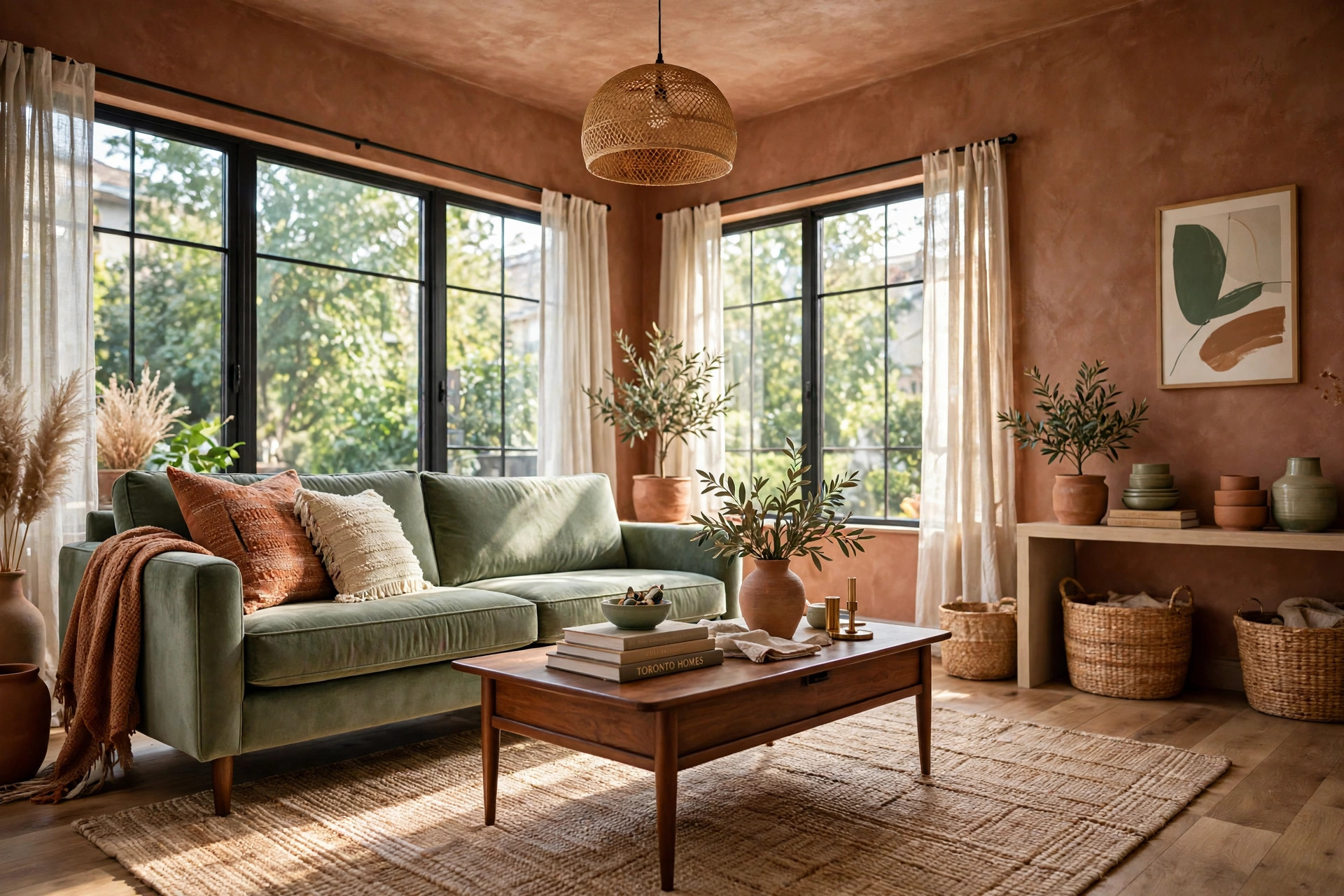
A detached house can survive a mediocre photo. There's square footage to hide behind, a backyard to lean on, a second angle to save the set. A 550-square-foot condo gets none of that. In a small Toronto condo, every photo is a verdict: the buyer decides in about two seconds whether the place feels like a home or a storage unit with a mortgage. That is why staging matters so much more in small spaces — and why it matters differently than most agents think. Staging for a small condo is not about filling the room. It is about giving the camera a job to do. An empty small room photographs as a box with walls. A staged small room photographs as a life: somewhere to sit, somewhere to eat, somewhere to sleep, and — critically — somewhere to imagine yourself doing all three without bumping into the furniture. The numbers back this up. Small condos that are staged and professionally photographed consistently draw more saves, more showing requests, and more offers than identical unstaged units in the same building. Buyers don't fall in love with floor plans. They fall in love with the feeling of a room, and in a small space the feeling is the whole product.
Staging Is a Photography Decision, Not a Decorating One
Here's the mistake agents make: they hire a stager, the stager makes the place look nice, and then the photographer arrives and discovers the nice doesn't photograph. A velvet armchair that looks luxurious in person can swallow a third of the frame. A tall bookshelf that feels cozy in real life becomes a dark wall on camera. A mirror placed to "open up the room" bounces the photographer's flash straight back into the lens. Good staging for photography starts from the camera's point of view, not the doorway's. Before a single piece of furniture moves, the photographer and the stager should agree on the hero angle for each room — the one wide shot that will carry the listing — and stage toward it. Every chair, plant, and cushion should earn its place in that frame. If an object doesn't serve the hero shot, it doesn't belong in the room, no matter how pretty it is in person. Scale is the other half of the decision. Small condos need small furniture, photographed with a wide lens at chest height, not from a corner at ceiling level. An oversized sectional makes a 400-square-foot living room look like a furniture showroom; a loveseat with slim arms and visible legs makes the same room look like it breathes. The camera exaggerates whatever it sees, so the furniture has to be deliberately undersized relative to what feels right when you walk in.
The Three Shots Every Small Condo Needs
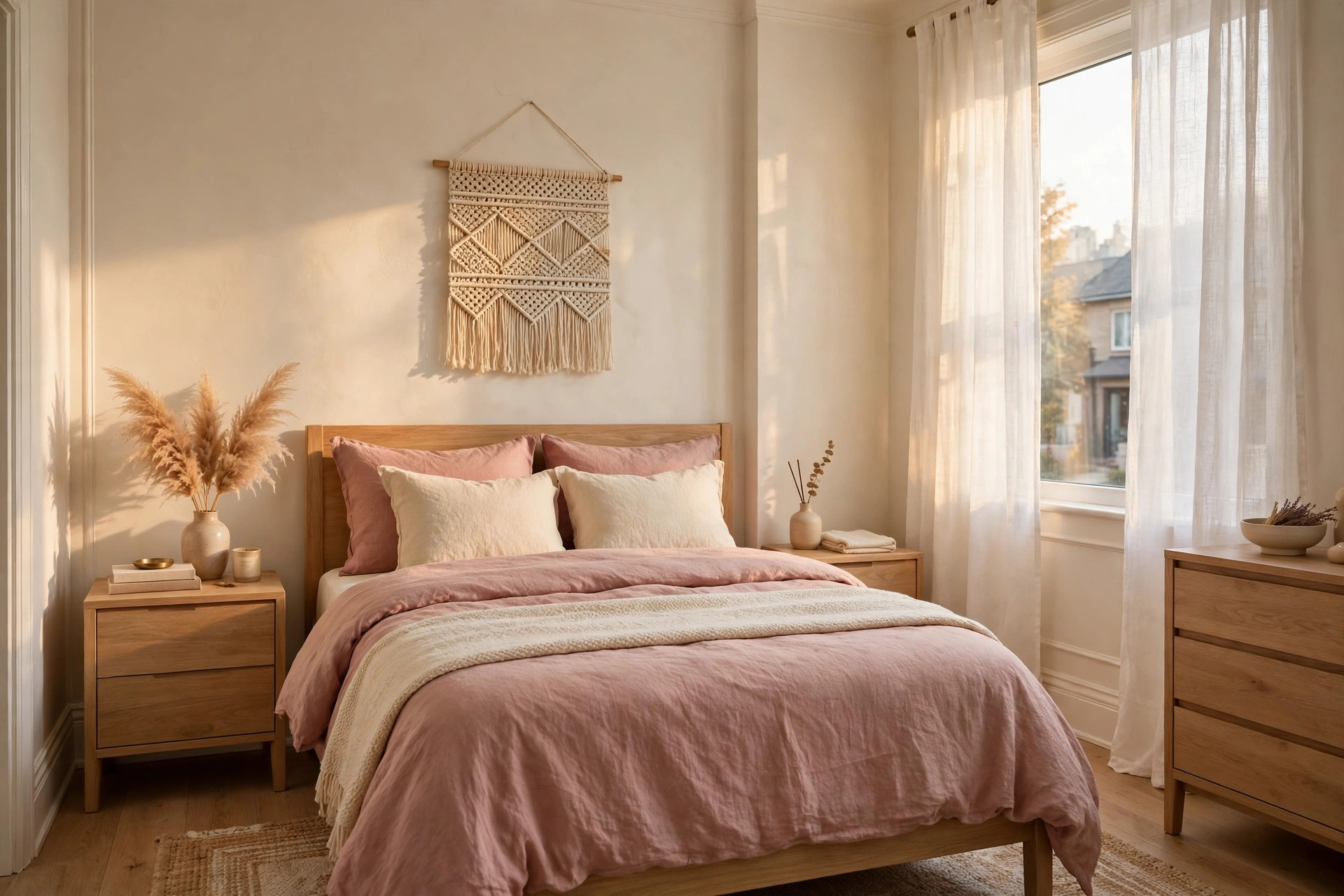
Every small condo listing lives or dies on three images, and staging should be built around them in this order. First, the living room wide shot — the hero. This is the image buyers see first, and it has to answer the only question that matters: can I live here? Stage it with one clear seating area, one light source the camera can see, and one moment of life — a book open on the coffee table, a throw draped naturally over an arm. The room should look lived in by exactly one calm, tasteful person, not staged by a committee. Second, the kitchen detail. Small condo kitchens are where buyers' anxiety peaks, because counter space is the scarcest resource in the unit. A staged kitchen should prove the counter works: a cutting board, a bowl of fruit, a kettle — three objects, no more. Clutter kills the shot, but a bare counter reads as a hotel room. The staging sweet spot is a kitchen that looks used this morning and cleaned up by noon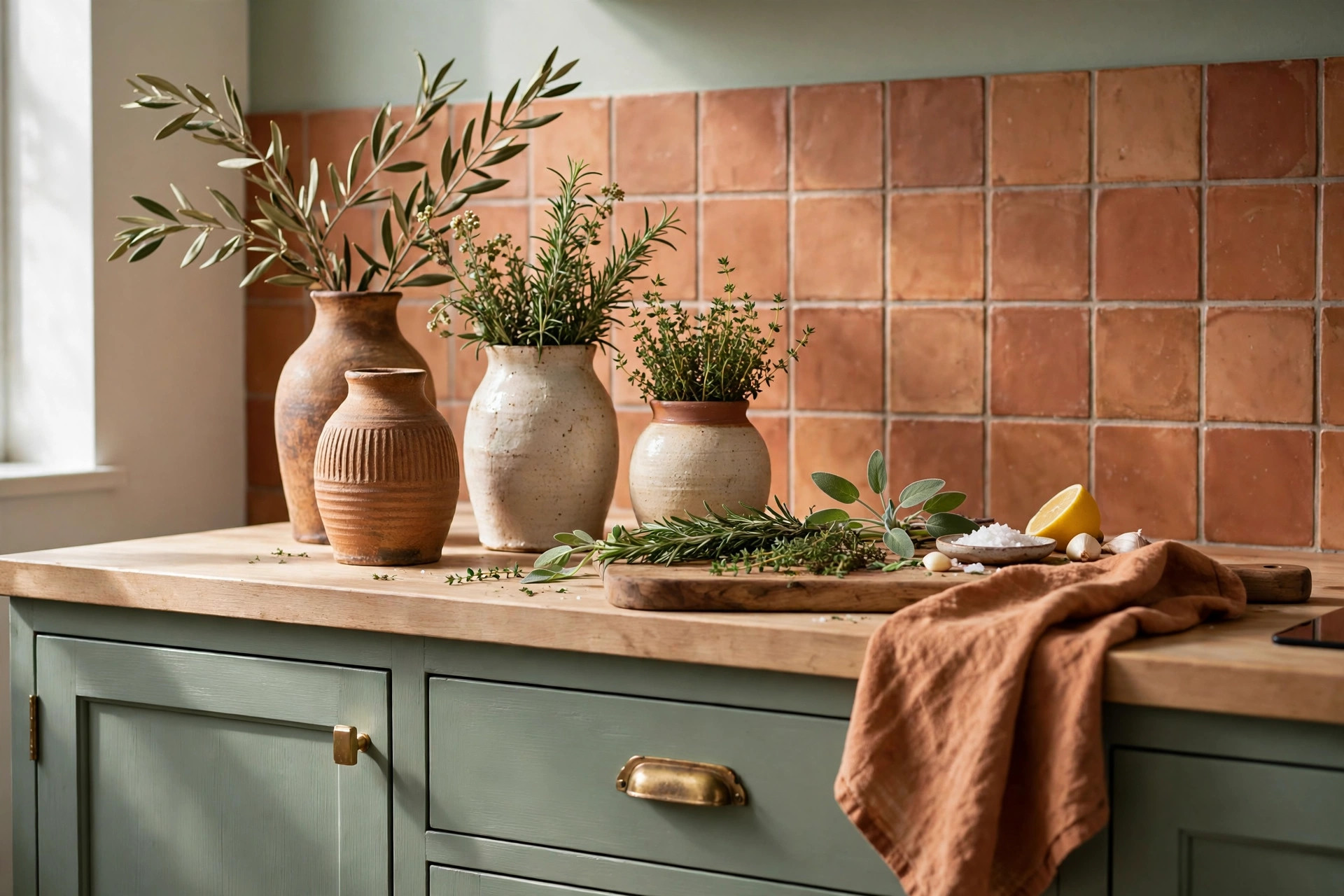 Third, the bedroom. This is the shot that sells sleep, and sleep is the emotional core of a small condo purchase. The bed is the room, so the bed has to be perfect: linen bedding with visible texture, pillows that look slept-on rather than showroom-stiff, and a warm light source — a bedside lamp glowing, morning light through sheer curtains. A staged bedroom that feels like a hotel suite makes the buyer feel like a guest. A staged bedroom that feels like someone's favourite room makes the buyer feel like an owner.
Colour Is a Space Tool, Not a Taste Statement
In a small condo, colour does structural work. Light, warm neutrals on the walls make the camera read the room as larger; dark accent walls shrink it, no matter how sophisticated they look on a design blog. That doesn't mean the photos have to be beige. It means the colour should live in the objects — the sofa, the cushions, the art — while the architecture stays quiet and bright. Terracotta, sage, dusty rose, warm cream: these are the palettes that photograph beautifully in small Toronto condos right now, because they add warmth without adding visual weight. A terracotta accent wall in a 500-square-foot living room will fight the camera. A terracotta sofa against a cream wall gives the camera exactly the anchor it needs, and the room still reads as spacious. Contrast is the other lever. The camera needs something to hold onto in a small room — a dark walnut table against a light rug, a deep green cushion on a cream sofa, a brass lamp against a pale wall. Without contrast, small rooms photograph as a single flat tone, and buyers scroll past flat. With one or two deliberate contrasts, the same room gains depth the floor plan never promised.
What to Remove Before the Camera Arrives
Staging a small condo is at least half subtraction. The camera sees everything, and in a small space everything is close to the lens. The pre-shoot walkthrough should be ruthless. Personal items go first: family photos, diplomas, fridge magnets, the collection on the windowsill. Buyers need to picture their life in the space, and they can't do that while looking at someone else's. Small appliances come off the counters — the toaster, the blender, the coffee machine that lives there "because there's nowhere else to put it." For the shoot, there is somewhere else: a cupboard, a closet, the photographer's car. Cords and cables are the silent killers of small-space photos. A phone charger trailing across a bedside table, a power bar behind the TV, a lamp cord crossing the floor — the camera magnifies all of it. Tape them down, hide them behind furniture, or unplug the lamp for the shot and relight it in post. And check the reflective surfaces: a mirror, a TV screen, a glass tabletop will all catch the photographer, the tripod, or the window. Angle them away or cover them for the hero shot. Finally, count the objects. If a room has more than about seven visible decorative items, the camera will read it as cluttered, even if a person standing in the room would call it "curated." Small spaces reward restraint. Every object in the frame should be doing a job — and if you can't name the job, take it out.
Staging Pays for Itself in the First Showing
Agents sometimes ask whether staging a small condo is worth the cost when the unit will sell anyway. In this market, that is the wrong question. The question is how many buyers the photos bring through the door, and what they are willing to pay once they're inside. A staged, professionally photographed small condo doesn't just sell faster — it sells to buyers who have already decided they love it before the showing. That emotional head start is worth real money at the offer table. An unstaged small condo invites lowball thinking: the buyer sees a box, does the mental math on furniture, and discounts for the effort. A staged one invites the opposite: the buyer sees a home, and the negotiation starts from wanting it rather than tolerating it. The practical takeaway for agents is simple. Budget staging into every small condo listing, not as a luxury add-on but as part of the photography package. Brief the stager and the photographer together, on the same call, with the same shot list. Stage toward the camera, keep the palette warm and light, and subtract until the room breathes. The photos will do the rest — and in a market where the smallest units face the toughest competition for attention, the photos are the whole game.